

Fall is the ideal time to prepare your heating system for winter. It’s important to have your equipment ready before temperatures fall and heating demand rises. This is especially important if your home has a heat pump or dual-fuel heating system, which needs specific maintenance because of its heating and cooling capabilities.
Scheduling Fall heat pump maintenance in your Columbia home before cold weather arrives can increase comfort, efficiency and system reliability. It also gives your HVAC technician a chance to find small problems before they become larger repairs.
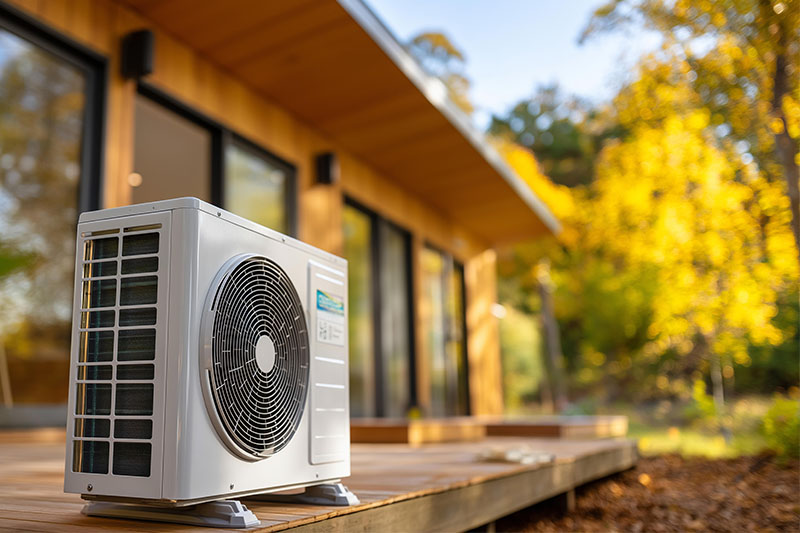
Why Fall Heat Pump Maintenance Is Important
Heat pumps need regular maintenance because they run throughout the year. Unlike traditional furnaces, they provide both heating and cooling, so they run all year. This can make them vulnerable to more wear and tear than other systems.
A heat pump tune-up helps ensure the system is clean, operating properly and ready for winter. Fall HVAC maintenance visits also help increase energy efficiency, comfort and your heat pump’s lifespan. Identifying and fixing worn or failing components during these visits also helps minimize the risk of a system breakdown.
Preparing Dual-Fuel Systems for Winter
A dual-fuel heating system, also referred to as a hybrid heating system, combines a heat pump with a gas furnace. The heat pump provides energy-efficient heat during milder weather. When outdoor temperatures drop below a set point, the system automatically changes over to furnace heating.
The use of two heating sources makes dual-fuel HVAC maintenance especially important. Proper calibration helps the system determine when to use each heating source for maximum comfort and efficiency.
Key settings for heat pumps and dual-fuel heating systems should be checked before winter:
- Thermostat settings: Confirms the system responds properly to changing outdoor conditions.
- Automatic switch point: Ensures the system switches between heat pump and furnace use correctly.
- Balance point settings: Verifies the temperature that signals your furnace should take over from the heat pump.
- Furnace fitness: Ensures the furnace is ready as a backup heat source.
- System communication: Ensures the thermostat, heat pump and furnace work together as intended.
What Happens During a Professional Heat Pump Tune-Up?
During Watts Electric & AC’s professional heat pump inspection and tune-up, our technicians examine and test your system. We check that key components are in good working order, lubricate moving parts when needed and look for signs of wear and tear. We also look for developing problems, so you can have them fixed before they become costly repairs.
What does heat pump maintenance include? Here’s what we check, and why:
- Refrigerant levels: Proper refrigerant charge supports efficient heating and cooling.
- Electrical connections: Secure connections are needed for safe, reliable operation.
- Capacitors and contactors: These components help the system start and run properly.
- Defrost controls: These controls prevent excessive ice buildup during cold weather.
- Compressor operation: The compressor is essential to heat pump performance and efficiency.
- Outdoor fan motor: Proper operation supports airflow and heat transfer.
- Indoor blower: The blower is needed to move heated or cooled air effectively throughout your home.
- Condensate drainage: The condensate drain needs to be clear so it can prevent moisture-related problems.
- Airflow: Proper airflow supports comfort and heat pump efficiency.
- Thermostat calibration: Accurate thermostat settings help the system respond appropriately.
- Safety controls: Testing helps verify safe operation.
- Heat strips: If equipped, backup electric heat is checked for proper operation.
- Furnace components: Dual-fuel systems also require a furnace inspection to ensure the backup heat source is able to kick on when temperatures drop.
Schedule Service
A Complete Fall Heat Pump Maintenance Checklist
Professional HVAC maintenance should be handled by a qualified technician. However, you can handle a few basic steps between service visits to keep your system at its best.
- Install clean air filters
- Clear debris and cut back plants around the outdoor unit
- Ensure air vents are unblocked
- Check thermostat controls are set right
- Listen for strange sounds
- Monitor overall heating performance, seeking professional help if you notice anything unusual
What is Included in a Professional Heat Pump Maintenance Visit?
During Watts Electric & AC’s expert heat pump inspections and tune-ups, our technicians thoroughly inspect and test your whole system. We check that key components are in good working order, lubricate moving parts when needed and inspect for worn or broken parts.
So, what exactly does heat pump maintenance include? Here is what our technicians inspect and why each matters:
- Refrigerant levels: Proper refrigerant charge is crucial for heating and cooling
- Electrical wiring connections: Secure electrical connections are important for reliable, safe operation.
- Electrical capacitors and contactors: These components are needed for startup and operation.
- Defrost system controls: These controls prevent excessive ice accumulation on your equipment.
- Compressor: The compressor is a key part of heat pump efficiency and performance.
- Outdoor fan: Your system’s outdoor fan is required for airflow and heat transfer.
Indoor fan: The blower distributes warm and cool air throughout your home. - Condensate drainage: The condensate drain needs to be clear so water can drain from your system.
- System airflow: Proper airflow supports comfort and heat pump efficiency.
- Thermostat settings: Accurate thermostat settings help the system respond appropriately.
- Safety controls: Testing confirms proper safety operation.
- Electric heat strips: If equipped, backup electric heat is checked for proper operation.
- Furnace components: Dual-fuel systems also require a furnace inspection to make sure the secondary heat source starts when temperatures drop.
Signs Your Heat Pump Requires Maintenance Before Winter
There are often several signs your heat pump needs maintenance. If you see these signs, it’s important to get them addressed promptly—before the weather gets chilly:
- Poor heating performance: May indicate an equipment or airflow problem.
- Frequent cycling: Frequent starts and stops can wear down your system.
- Rising utility costs: A sharp increase in energy use is often a sign of reduced efficiency.
- Ice formation: Excessive ice can point to a defrost, airflow or refrigerant malfunction.
- New noises or a burning odor: New sounds or odors can be signs of serious problems.
- Inconsistent room temperatures: Cold rooms are often signs of airflow or equipment problems.
- Heavy auxiliary heat use: Heavy furnace use use may indicate an issue.
- Changeover failure: Difficulty switching between your heat pump and furnace is a red flag and calls for professional service.
Frequently Asked Questions About Dual-Fuel HVAC Maintenance
Plan Your Fall Heat Pump Maintenance in Columbia, Mississippi
Columbia, Mississippi, cold winters are hard on your HVAC. Make sure your heat pump or dual-fuel heating system is prepared for winter with professional maintenance. Tune-ups not only support comfort and efficient operation, but they also are a great way to increase reliability and reduce the risk of breakdowns.
Watts Electric & AC’s experienced team provides outstanding service and trustworthy recommendations for heat pumps and hybrid heating systems.
We also offer HVAC maintenance plans to make preventative care easier to manage.
If you're thinking about doing a Google search for “heat pump maintenance near me”, just make things easier. Reach out to Watts Electric & AC. We’re the community’s trusted source for dependable service. Why do so many friends and neighbors call us? Learn for yourself about Watts Electric & AC’s HVAC services in Columbia, Mississippi.
It’s time to get your dual-fuel heat pump system ready for the cold with preventive winter HVAC preparation. Schedule heat pump maintenance now.